First Line’s overview of braking maintenance
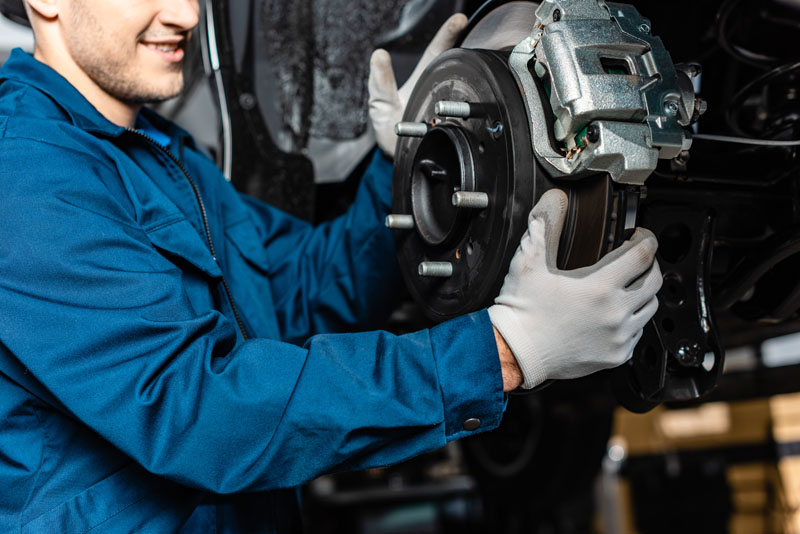
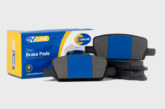
First Line Product Director, Kelvin Olds, provides an overview of braking maintenance. To begin his masterclass, he explains why failing to replace brake pads and discs together can lead to uneven wear and reduced braking efficiency.
Kelvin began: “Brake pads naturally wear down over time, but if they are replaced without also installing new discs, the old discs’ worn surface can cause the new pads to wear unevenly.
“This uneven contact reduces braking performance, increases stopping distances, and can lead to noise and vibration during braking.”
First Line’s product director acknowledges that although it may seem cost-effective to only replace brake pads, this often leads to greater expenses down the line. Uneven wear caused by mismatched components shortens the lifespan of new brake pads and forces premature replacement of the discs.
Kelvin believes that by replacing both components at the same time ensures the brake system works at its best, reducing overall maintenance costs and enhancing long-term reliability.
Don’t overlook ancillary components
Brake replacement isn’t just about discs and pads either; supporting components, like brake hoses, hardware, and brake fluid, play an important role in braking performance. Kelvin warns that neglecting these ancillary parts during a brake service can create both safety and performance issues.
He says that brake hoses, for instance – which carry hydraulic fluid from the master cylinder to the brake calipers – can degrade over time. Cracks or brittleness can lead to fluid leaks, while swelling under pressure can reduce braking efficiency and create a spongy brake pedal. In extreme cases, deteriorated brake hoses can burst, resulting in a sudden loss of braking power.
Brake hardware, Kelvin says – including springs, clips, and pins – ensures accurate alignment and function of the brake pads and shoes.
Kelvin added: “If worn or damaged hardware isn’t replaced during a brake service, it can lead to noise, uneven wear, and poor braking performance. Loose or misaligned pads will reduce stopping efficiency and increase the frequency of pad replacement.”
Brake fluid is another critical factor often overlooked during brake maintenance, reports Kelvin. He says that over time, brake fluid absorbs moisture, which lowers its boiling point and can lead to brake fade under heavy use. Contaminated fluid can also cause corrosion in brake lines and calipers, leading to leaks and diminished braking efficiency.
“Regular brake fluid flushes, ideally every two years, are essential to maintain reliable braking performance and extend the life of the entire system,” Kelvin said.
The risks of low-quality brake components
Using substandard brake components is one of the most common causes of poor braking performance and increased maintenance costs, Kelvin insists, with low-quality brake pads and discs likely to wear out more quickly, resulting in shorter replacement cycles and higher overall costs.
Kelvin concluded: “Cheap brake components may save money initially, but they often lead to uneven wear, increased noise, and reduced stopping efficiency. Inconsistent friction can cause vibrations and longer stopping distances, which poses a safety risk, especially in emergency situations.”
Sub-par components can also cause further damage to the braking system. Poor-quality pads and discs may lead to premature wear of calipers and rotors, resulting in costly repairs and vehicle downtime.