

Lubrication challenges posed by hybrid vehicles

Alan Outhwaite, the head of the Technical Review Panel at the Verification of Lubricant Specifications (VLS), assesses the particular lubrication challenges posed by hybrid vehicles.
Hybrid vehicles have grown rapidly in popularity in recent years and are likely to remain an important part of the vehicle parc for many years to come, despite the current 2035 ban on the sale of new hybrid and plug-in hybrid (PHEV) vehicles.
According to the latest SMMT data, hybrid electric vehicles and plug-in hybrid electric vehicles accounted for 30.1% of new car registrations in September 2026. For some motorists, hybrids offer the perfect balance – harnessing the benefits of battery power without the range and charging anxiety of battery electric vehicles.
Despite their similarities to internal combustion petrol and diesel engines, hybrid vehicles differ in key ways; for example, hybrid vehicles have a very different duty cycle, with potentially many more stop/starts as the vehicle switches between power sources depending on the driving conditions.
In hybrids, the engine may need to start suddenly at high speed, when the vehicle may already be travelling at 60mph, having used battery power to begin the journey. Such high-powered cold starts give the engine no time to reach operating temperature. This increases the risk of thermal shock and wear, as the oil hasn’t had time to reach optimum operating temperature, circulate efficiently through the engine, and protect moving parts while the engine slowly warms up.
Typically, an internal combustion engine takes up to 10 minutes to reach operating temperature, depending on its use, with the engine running continuously from ignition. A hybrid vehicle could take 25 minutes to warm up, as typically, the combustion engine only kicks in after battery power has been used. On shorter journeys, the vehicle may reach its destination and be switched off before it even warms up.
This longer warm-up period gives water and fuel more time to accumulate in the sump, increasing the risk of fuel dilution and emulsification, which could lead to corrosion and increased wear. When vehicles warm up, heat drives off excess water. But because hybrid vehicles take longer to reach operating temperature and can use lower-viscosity oil to meet fuel economy targets, increased dilution can be even more damaging.
It is, therefore, even more critical that mechanics and motorists follow the recommended oil change intervals for hybrid vehicles. If an oil warning light appears, drivers must not ignore it – they must act immediately.
Appropriate engine oil spec crucial
In addition to lower viscosity, hybrid vehicles tend to require oils with lower High-Temp High-Shear (HTHS) values to further increase fuel economy. Some lubricant companies offer specific hybrid engine fluids which are designed to address these challenges. Motor factors need to ensure they stock and recommend the appropriate engine oil specification for workshop use, looking beyond viscosity to actual performance specification.
Currently, no hybrid-only industry specifications exist for engine oils; they currently fall under standard ICE specifications in terms of ACEA Sequences, API and OEM approvals. Piston deposit control, catalyst compatibility and low-speed pre-ignition are just as important for hybrid vehicles as for their internal combustion engine cousins, and manufacturers blend lubricants with specialist base oils and additives needed to combat these issues.
Backwards compatibility with other applications cannot be assumed, so an oil suitable for a new hybrid vehicle may not necessarily be suitable for the older hybrids being serviced in workshops. If the latest ultra-low-viscosity 0W-8 Advanced Fuel Economy engine oil is poured into an older hybrid vehicle, it is unlikely to have the metallurgy or design to tolerate such low viscosities; the risk of vehicle damage is much higher because the engine won’t have the lubricant film it needs.
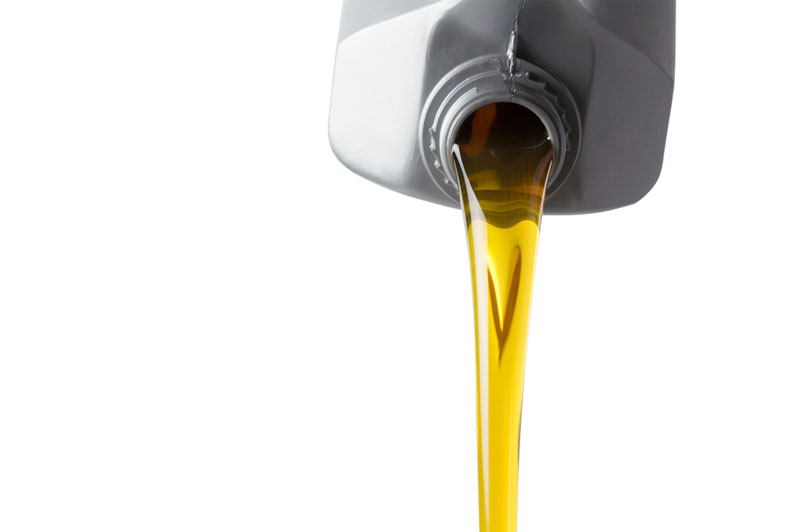
Check the hand book!
If motor factors or workshops are unsure which engine oil to recommend or use, it is always worth taking the time to double-check the vehicle handbook and the OEM. It may be tempting for lubricant manufacturers to claim to meet as many specifications as possible, but VLS case investigations have shown that, in some cases, they cannot always provide sufficient evidence to back up their claims.
As the saying goes, if an oil sounds too good to be true, it could be exactly that. Compared to standard formulations, some products might contain reduced quality base oils, fewer additives or even untested additives. This can significantly affect the lubricant, resulting in poor or possibly even dangerous performance compared to genuine products.
Motor factors play a critical role
By ensuring motor factors do due diligence on lubricant suppliers, whether for branded or own-label products, they can ensure that suppliers can verify the product claims they make. Specifications can be very confusing, with lubricant marketers making multiple claims for each product. Language such as ‘suitable for use’ can also be misleading, as companies do not always have technical evidence to support these claims.
Think of engine oil as another vehicle component. A motor factor wouldn’t recommend fitting the wrong air filter or brake pads. Similarly, oils are designed for each vehicle. The right specification match must be the most important decision-making factor. Poor quality or the wrong oil can cause damage to emission control systems, accelerate wear in gears and bearings, lead to the formation of piston deposits and sludge, increased maintenance costs, and, if left unchecked, eventual engine failure.
OEM updates can be helpful
Motor factors and workshops should also monitor OEM updates on changes to service and oil change intervals. These are both likely to be more frequent for hybrid vehicles than conventional ICE-powered vehicles, as the oil has to work in a hostile environment with regular short, cold journeys.
Hybrid vehicles are relatively new. In some cases, OEMs are still learning about duty cycles and how they affect lubricants. Motorists can no longer assume their vehicle requires service every 12,000 miles or 12 months. That could be reduced to 8,000 miles of stop/start driving. The oil could potentially be diluted by up to 10% in the sump, so it may need changing sooner than owners or even workshops expect. As we expect lubricants to do more, under greater stress, they may need more regular replacement.
Stocking the correct range “hardest task”
Electric vehicles and hybrids may be increasing in popularity, but many of the vehicles passing through workshops are still conventional petrol and diesel engines. With motorists holding onto their vehicles for longer, this proliferation of vehicle types – and therefore lubricant requirements – is only likely to continue.
Motor factors can look to VLS for advice, education on the complex engine oil market and the importance of correct oil selection, and products being investigated or previously investigated following complaints. In the most serious cases, VLS issues safety warnings, which can help motor factors protect their customers. They can sign up to receive the VLS newsletter to keep up to date with relevant news and case updates and can view cases on the VLS website at .
If a motor factor has any concerns about a lubricant’s ability to deliver what it claims, they can report this to VLS by calling 01442 875922 or emailing [email protected].