

What is exhaust back pressure?
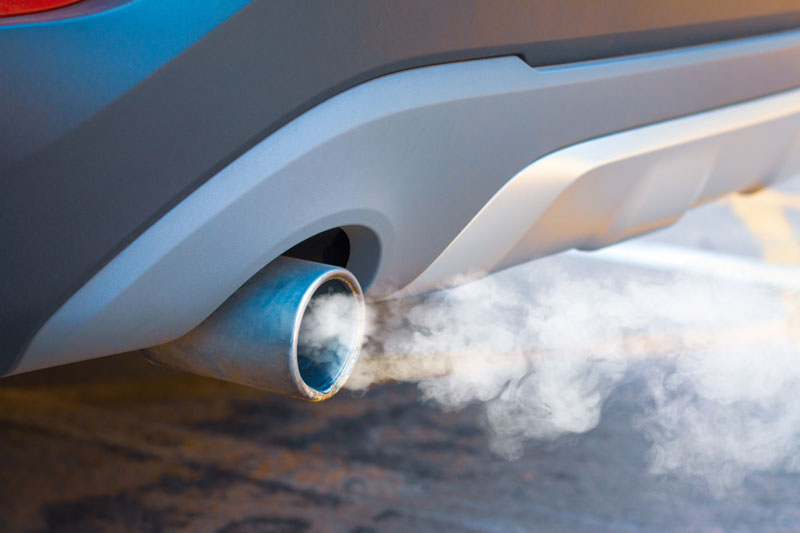
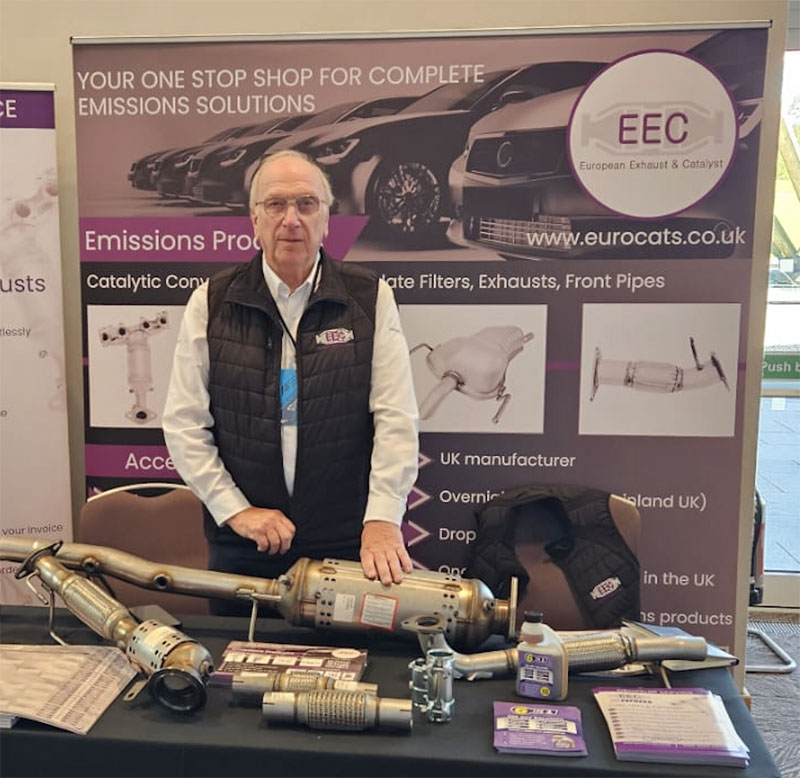
European Exhaust and Catalyst Technical Trainer, Stuart Still, reveals what exhaust back pressure is all about and why it matters in today’s aftermarket.
Modern exhaust systems are no longer simple replacement parts. From Euro I through to Euro VI emissions legislation, exhaust components have become highly engineered systems designed to work alongside complex engine management technology; therefore, understanding common exhaust issues is essential.
Furthermore, providing customers with the correct component – along with accurate technical guidance – helps prevent repeat failures, reduces unnecessary returns, and builds trust with workshops.
What is exhaust back pressure?
Correct exhaust back pressure is important for maintaining vehicle performance, emissions compliance, and component reliability. When exhaust flow is restricted or incorrect, it can affect engine performance and drivability, fuel economy, CAT and DPF lifespan, lambda sensor operation, and exhaust valve and EGR system protection.
Understanding these issues will help when advising customers on the correct replacement part and identifying possible causes of premature failure.
What’s the difference between high and low back pressure?
High exhaust back pressure is a restrictive bottleneck that forces the engine to expend energy expelling spent gases, thereby reducing horsepower and increasing heat. Conversely, low back pressure allows exhaust to flow freely and rapidly, maximising power output.
High back pressure: A sign of restriction
High back pressure is often caused by blocked CATs, overloaded or failed DPFs, collapsed internal pipework, or restricted exhaust flow. Common symptoms include loss of engine power, poor acceleration, increased fuel consumption, or warning lights and fault codes.
If the restriction is not addressed, excessive pressure can place additional strain on other engine and emissions components.
When supplying replacement CATs or DPFs, EEC says it is important that the customer checks the vehicle’s condition and diagnoses the reason for failure before fitting new components.
Low back pressure – what’s escaping?
Low back pressure is commonly caused by corrosion holes or exhaust leaks, damaged gaskets or seals, or internal silencer deterioration.
When exhaust gases escape before reaching the end of the system, it can affect exhaust flow, emissions readings, and engine management performance. In some cases, this can contribute to the CAT overheating and its premature failure.
A common issue within the aftermarket is replacing a failed CAT without identifying the original cause. This can result in repeat failures, unnecessary warranty claims, and unhappy customers.
At EEC, we encourage technicians to inspect the complete exhaust system before replacing emissions components. Identifying leaks, damage, or underlying faults helps ensure the correct repair.
EEC’s top tips
✓ Ask the right questions. Understand the vehicle application, symptoms, and reason for replacement.
✓ Encourage correct diagnosis. Replacement CATs and DPFs should only be fitted once the cause of failure has been identified.
✓ Check the complete exhaust system. Leaks, damaged flexi sections, and mounting issues can contribute to premature failure.
✓ Supply quality components. Reliable parts reduce warranty issues and improve customer confidence.
✓ Use technical support when needed. Our experienced team is available to assist customers with product and application queries.