


Sustainability in the filtration aftermarket
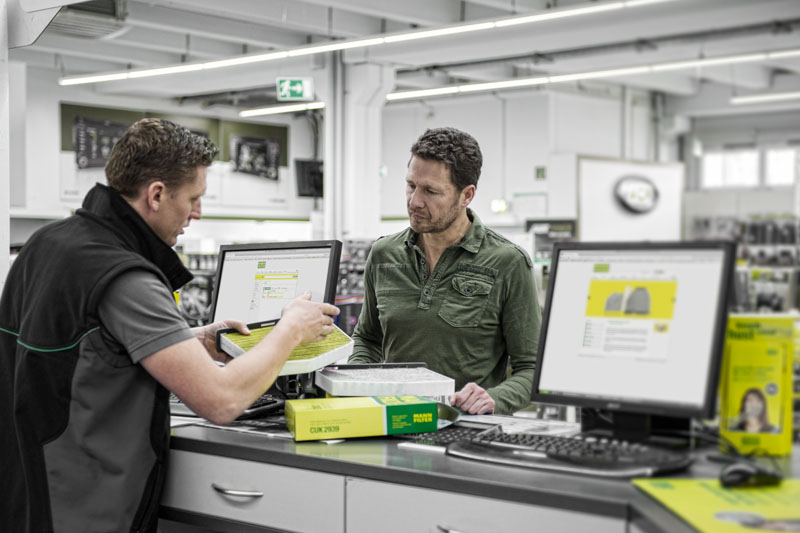
Sustainability in the automotive aftermarket is no longer limited to EVs, tyres or waste oil disposal. It is increasingly influencing the everyday parts fitted during routine servicing – that includes filters, as Product and Marketing Manager – Aftermarket, Gary Winslow explains.
Filtration may not always be the first category associated with environmental progress. Yet filters are replaced in high volumes across the UK car parc, and they sit at the centre of vehicle reliability, cabin comfort and engine protection. That makes the category an important area for incremental but meaningful sustainability gains.
Sustainable shift across full product journey
Manufacturers are looking at how filter media is produced, what raw materials are used, how much energy is consumed in production, how components are packaged and how efficiently products move through the supply chain. At the same time, the aftermarket has to balance environmental improvement with the realities of vehicle servicing: parts must remain available, affordable, easy to identify and fit-for-purpose.
This is a critical point. A more sustainable filter will only gain traction if it delivers the same performance, durability and fitment confidence as the product it replaces. Workshops cannot risk customer dissatisfaction, repeat repairs or uncertainty over whether a part meets the required standard. For vehicle owners, sustainability is welcome, but not if it appears to compromise engine protection, air quality or service value.
Material innovation an important area of development
Traditional filter media often uses fossil-based resins to provide strength, stability and resistance to heat, oil or moisture – but at MANN-FILTER, we are now exploring alternatives that reduce reliance on fossil-derived inputs, while maintaining the technical characteristics required in automotive filtration.
One example is the use of lignin-based impregnation in selected filter media. Lignin is a natural polymer found in wood and is available as a by-product from the paper and pulp industry. In filtration applications, it can partially replace conventional resin systems used to stabilise cellulose-based media.
This type of technology has been introduced into selected air and oil filter ranges, positioning it as a way to improve the sustainability profile of established service parts without changing workshop processes.

Sustainability needs to be easy to adopt
If a filter can be ordered under the same part number, fitted in the same way, and supported by the same quality expectations, it becomes a practical improvement rather than an operational burden. Clear packaging identification and straightforward customer messaging can also help workshops explain the benefit without overcomplicating the service conversation.
Wider opportunity: Make sustainability tangible
Rather than broad claims, workshops need credible examples, like reduced fossil-based raw material content, lower-impact manufacturing, recyclable packaging, longer service life where technically appropriate, and dependable performance aligned with original equipment expectations.
For vehicle owners, the message is just as straightforward: choosing a more sustainable filter does not have to mean changing driving habits or paying for unfamiliar technology. It can simply mean selecting a quality replacement part that has been designed with lower environmental impact in mind.
Conclusion
With the UK car parc set to include millions of petrol and diesel vehicles for many years to come, sustainable improvements in conventional service parts should not be overlooked. Filtration may be a mature category, but it is evolving.
For the aftermarket, the next step is to combine proven protection with more responsible materials, manufacturing, and supply practices – and to make that change easy to deliver.