What challenges are the aftermarket facing?

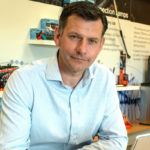
Nick Davy was appointed as Ring Automotive’s managing director back in August last year. With his feet firmly under the desk, PMF took the opportunity to ask him how his first few months in the ‘hotseat’ have gone. He explains why the aftermarket is facing a “sink or swim” moment.
Q. Hi Nick, thank you for talking to PMF – how would you assess your first few months as managing director?
A. It’s been a busy few months for Ring Automotive and at the start of any new job you always feel like you’ve been thrown in at the deep end as you respond to new priorities. In the last few months, I’ve been able to adapt to my new role quickly and enjoyed the challenges and opportunities we’ve had as a business.
We had a successful 2025, with many new products introduced, awards won and customer relationships strengthened, but there are always stresses to any job, and I’ve had to navigate my way through it. I’m happy to say that everything has worked out, and we as a company know where we need to improve and where we thrive.
Q. Previously, you were operations director – did the promotion feel a natural succession?
A. I was managing a large proportion of the business, so it definitely felt like a natural step; however, when you actually take the reins it makes you realise just how many hats you need to wear. I made it my priority to plan how to run the business with the skills I have. We’re all different and everyone will tackle things with their own approach and style, so while it was the next step in my career, it was exciting but also grounding to then have the final say when it comes to how we run in the UK.
Q. As managing director, you are the leader of the business – what is your leadership style? How do you get the best out of people?
A. I enjoy working with a wide range of people and have worked in many industries over the years during which I have developed an open, approachable and personable leadership style. I think this is one of my greatest strengths, and spending time with the team is what I enjoy the most. I believe in ‘one team’, and it’s our job to support and train every team member to ensure they are able to play their part in delivering the best service and quality product to our customers and making the business and enjoyable place to be.
Q. Given you’re speaking to PMF, how would you describe Ring’s approach to building partnerships with motor factors?
A. We try to assist them every way we can. With motor factors in particular, we have found that they can be best supported by speaking to our sales team directly to discuss their needs. The sales team can then share feedback to the wider business to deliver the solution, whether that’s providing marketing materials, point of sale or working together to organise a promotion.
I’m very proud of our sales team and their ability to walk into any factor and have an open and productive discussion with anyone in the store. Their focus is not just about selling a product it’s about being available and known to people so that we can provide the support motor factors need in what is a fast-paced industry.
Q. From your experience, what do motor factors value most in a supplier like Ring? How do you ensure you meet those expectations consistently?
A. Communication – and not just when there’s something to sell! Our customers like the fact they can call us to ask for help or advice on how best to sell or stock a product. It’s not just about the sale for us; it’s about putting the customer first and building a relationship with motor factors, so that they can depend on us.
Q. How does Ring decide which innovations or product lines to develop for motor factors?
A. We have an excellent product development team based in the UK that design and develop all our new lines. They spend a lot of time in discussions with motor factors, technicians and our sales team, which enables them to identify a gap in the market for a new product. This team is also constantly scanning other sectors and markets in other countries to understand future design trends and what could be the next big success in the UK.
We want to make sure the products we introduce to the market are of premium quality, so that involves a lot of product and market research and quality testing to ensure safety standards and longevity. We are proud of our quality labs based in the UK and around the world – testing and development is part of our DNA.
We understand there’s a cost of living crisis; however, there’s something to be said for ‘buy cheap, buy twice’. It’s worth investing that little bit more to guarantee a quality, compliant product that is designed to last.
It is important we educate the end-user on the benefits of buying quality over the cheapest option. We need to find the delicate balance of premium quality but still affordable, and a lot of this responsibility does fall on the end user to request product from a trusted brand.
Q. How do you see motor factors evolving over the next few years, and how is Ring positioning itself to adapt?
A. It’s interesting to think about the future of the aftermarket and how things are bound to change. There are many aspects we need to prepare for over the coming years, including the SERMI scheme and the manufacturing ban of petrol and diesel cars coming in the next few years – this is a pivotal point in the aftermarket where it’ll be sink or swim.
Not only are these things happening, but more independent factors have been bought or are disappearing, meaning the motor factor space is changing and will continue to do so over the coming decade.
We need to adapt to survive, and we’re proud to be continuously introducing innovative products to ensure motor factors can work in a flexible way to respond to the customers’ needs in the changing environment. It’s a balance of understanding how EVs will develop in the marketplace and how ICE vehicles will be maintained potentially with synthetic fuels. We are, therefore, developing our EV range of products but also ensuring the continued supply of components and workshop tools.