

The opportunity in A/C maintenance
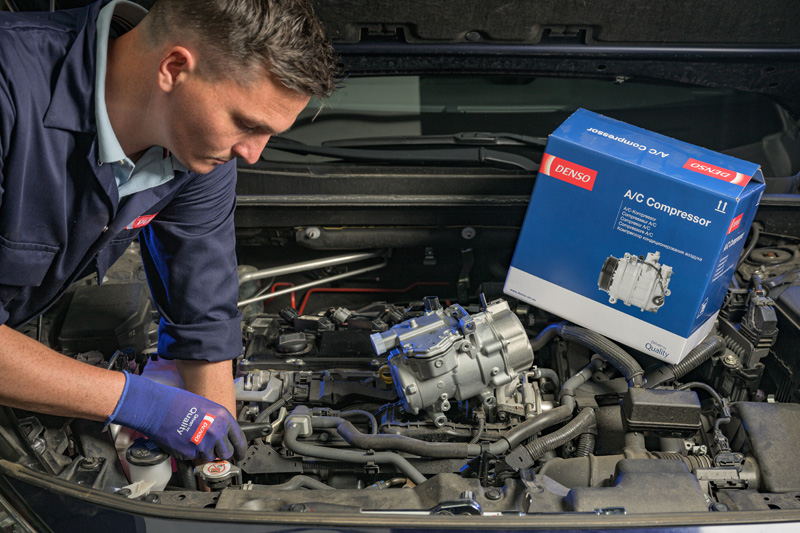
DENSO points out that while AC maintenance isn’t usually included in the scheduled service plan for traditional combustion engine vehicles, it’s different for BEVs and some modern hybrids. This shift gives independent workshops a valuable opportunity to expand their AC services and tap into the revenue these systems can generate.
DENSO explains that AC maintenance hasn’t typically been included in service schedules mainly due to concerns over costs, especially the projected total cost of ownership for fleets owned by leasing companies. As a result, despite being an essential system, AC remains one of the “least understood areas” in independent workshops.
The situation is worsened because owners’ manuals rarely mention AC service, so drivers rarely consider it. Ironically, the most common AC service offered – topping up the refrigerant – is often the least effective, says DENSO, as it only addresses symptoms rather than the underlying issues.
The outlook
Having addressed the gloomy background, there is a more positive outlook – one that is brought into even greater focus with the growth of BEVs and modern hybrids now in the vehicle parc, which are gradually beginning to find their way into independent workshops.
Generally, these vehicles do include the AC system in their prescribed service schedules, as it not only provides important cabin comfort for the occupants, but is also a critical factor in the thermal management of the vehicle, particularly the high-voltage battery. This is vital to ensuring the range, efficiency and reliability of the whole vehicle. DENSO argues that this shift in priority presents an opportunity to specialise in AC service.
What does an AC service include?
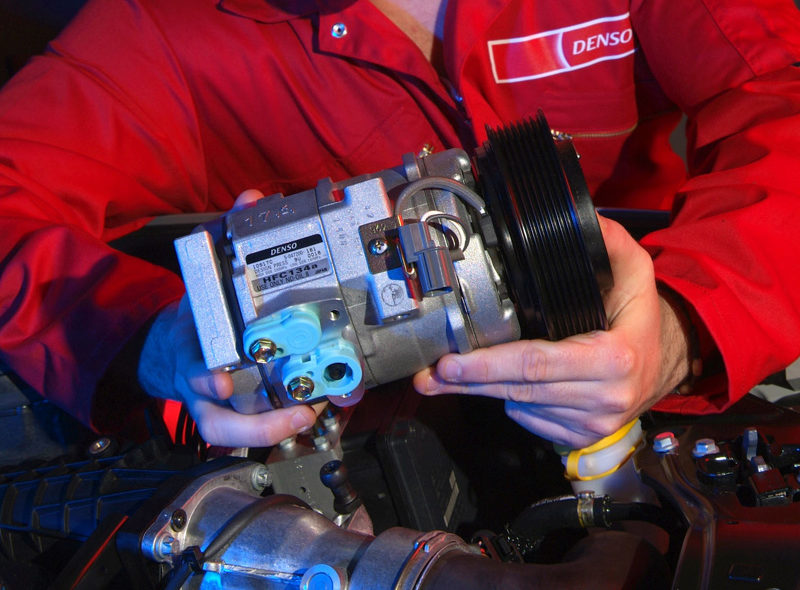
Simply, the process comprises the recovery of the refrigerant, visual inspection of the system, leak finding, evacuation, charging and performance testing. Specialist equipment is necessary to undertake AC service – and, unfortunately, even here difficulties can arise.
Many workshops choose automatic AC machines because, in theory, they can complete the job more efficiently, allowing technicians to perform other tasks, such as draining engine oil or checking brakes, during the process; however, DENSO warns that while these machines follow a set cycle well, they offer limited control over the process, which can hide underlying problems.
To help potential leak detection, for example, many machines will automatically introduce UV-dye into the system. This will help find the source of a leak before rectifying the problem and re-gassing, but this process must only be done once. DENSO says this is because, in effect, it dilutes the oil/refrigerant mix, and a mixture that is too dilute can lead to compressor failure due to lack of lubrication. So, without knowing if the system already has UV dye, the technician doesn’t know whether to override this function or not.
Each of these steps is crucial for maintaining the health of the AC system and must be performed correctly to ensure the best results. DENSO cites examples, such as only recovering refrigerant from the low-pressure side, checking the system for damage or corrosion, using the most appropriate leak-testing method, evacuating the system through both low and high-pressure connections, knowing the correct ports for charging, and conducting a thorough performance test once the service is complete.
Opportunities
While DENSO’s examples highlight the complexities of the AC system, unlike some vehicle technologies approaching the end of their development – or even their lifecycle – the AC system will remain essential across all powertrains and vehicle designs. Ignoring the ongoing profit opportunities offered by an AC specialisation would, therefore, seem unwise.
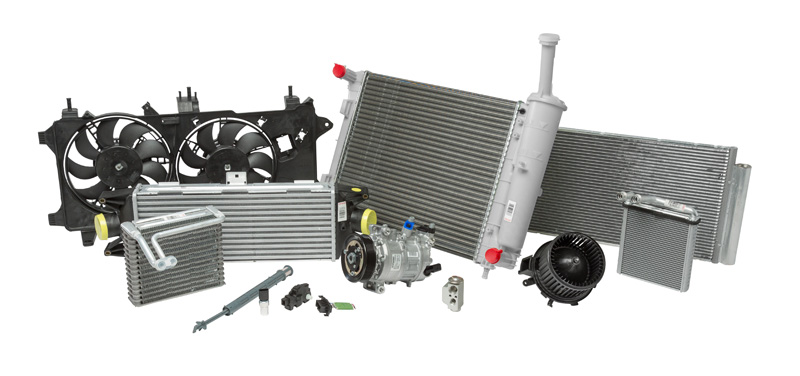
DENSO reports AC service and repair require specialised training to ensure technicians can work confidently and effectively. As an OEM and AC system supplier, the company is positioned to provide both training and replacement parts needed.
DENSO says you play a key role by coordinating face-to-face training at premises or in customer workshops. These sessions are complemented by the OEM’s online e-Learning portal – www.rdr.link – covering topics from AC basics and oil contamination to common compressor failures and the seven basic steps of AC service.