


Remanufacturing’s environmental advantages
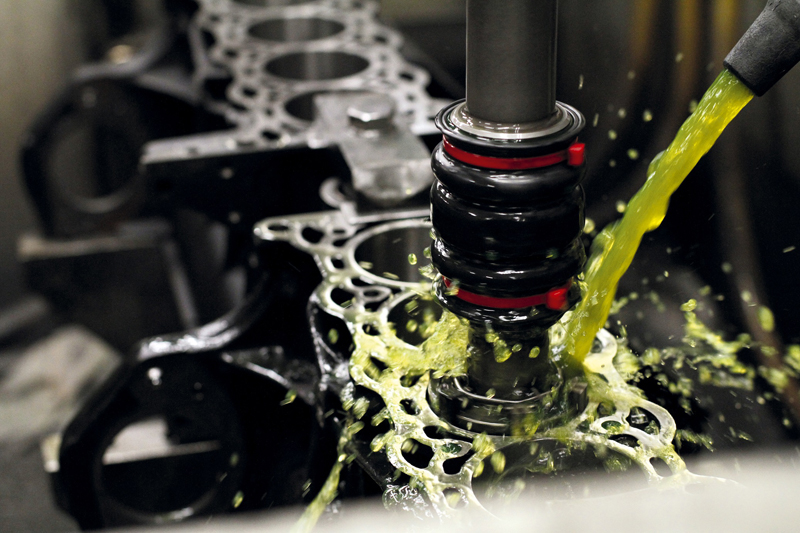
While price and availability remain key considerations for sales, the environmental advantages of remanufactured products are becoming increasingly important, according to David Eszenyi, the commercial director of remanufacturer Ivor Searle.
Major remanufactured automotive units, such as engines and gearboxes, offer environmental savings and help promote a circular economy by ensuring continuing parts availability for the UK’s ageing vehicle parc. According to the Society of Motor Manufacturers and Traders (SMMT) Powering Circular Growth: Remanufacturing report (2025), returning complex and costly vehicle parts to same-as-new or better condition can save up to 88% of raw materials compared with manufacturing a new product.
As well as saving natural resources, remanufactured products also offer a much more sustainable solution, as considerably less energy and materials are used in the remanufacturing process. The same SMMT report also reveals that compared to producing a new product, remanufacturing decreases greenhouse gas emissions by 53%, while energy consumption is lowered by 56%.
This is also reflected in our own experience, with engines remanufactured by Ivor Searle conserving around 55kg in core metal, while approximately 85% of the unit’s original components are returned to OEM specification. In addition, all waste metal from the process, such as old pistons and machining swarf, is also carefully collected for recycling.
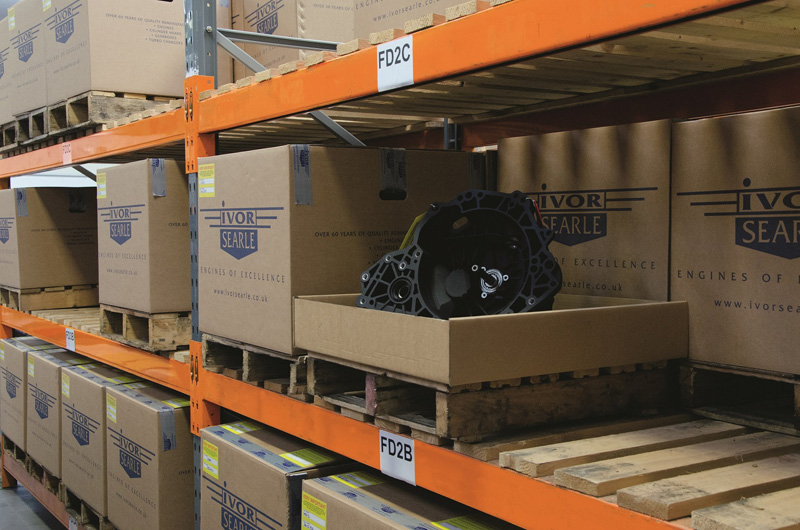
Remanufacturing playing significant role
Replacement components are needed to repair and maintain the UK’s ageing vehicle parc, with over 40% of the 42 million vehicles on the road over a decade old, according to the SMMT report.
Based on our own experience as a well-established supplier to over 1,500 factor distribution outlets throughout the UK and EU, it is clear that awareness of sustainability is gradually increasing, along with an understanding of the environmental advantages of remanufactured components and major units.
Although cost, product availability and quality continue to be the main considerations for workshops purchasing remanufactured products, end-users – including fleet customers and private motorists – will increasingly demand a more sustainable approach to vehicle repairs and maintenance and the parts that are used.