

All you need to know about branding
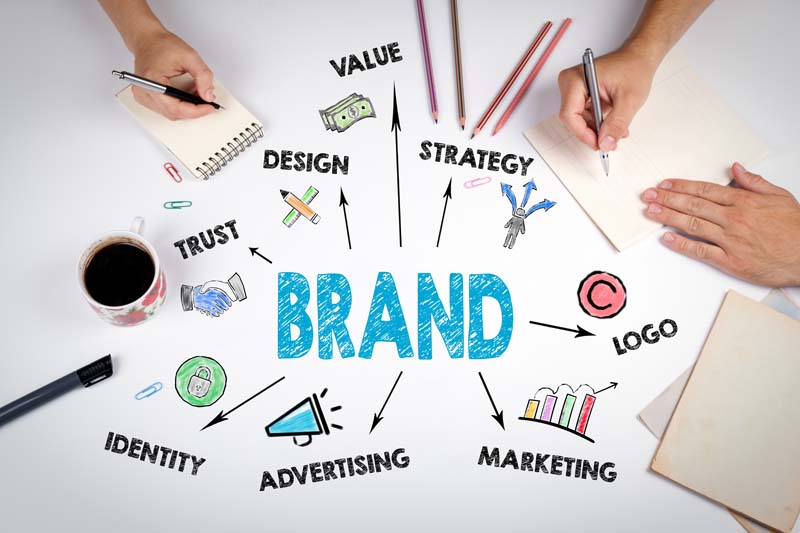
Your brand isn’t your logo – it’s your reputation, according to author Dee Blick. It’s what customers say about you when you’re not in the room. Build trust, consistency and service excellence, and you’ll create a brand customers choose, even when competitors come calling.
Occasionally, I hear a business owner saying: “I’ve got my brand sorted out.” What they’re referring to is the design of their logo and how it cascades across their communications.
I love this description of a brand which goes way beyond what it looks like: “A brand is a promise to your customers, the totality of perceptions about a product, service or business, the relationship customers have with it based on past experiences, present associations and future expectations…brand reality is always defined by the customer’s view.”
Fundamentally your brand rests on what customers think about it – trade and consumers. And by inference, what they think about you, the ultimate ambassador for your brand.

A brand, not just. a business
You want to be a standout motor factor for the right reasons. Satisfying customers’ needs and delivering a brilliant service are the building blocks of a strong brand – and with a strong brand, your business benefits:
Customers reward you with their loyalty – even when tested by competitors. And they recommend you.
Customers are not overly sensitive about price increases; price is important but not a deal breaker. Your accessible service and all the extra benefits you deliver help protect against the price increases you cannot control.
You close sales quickly. Because customers are confident in you and your brand, it takes less time to say yes. This is especially true of trade customers that are in it for the long haul.
Customers award you a larger share of their available spend, especially when the good times are rolling. When times are tough, customers are reluctant to stop using you, especially if you make it easy for them to stay.
Visibility
This is what customers see when they look at your business. Visibility is the station many small businesses stop at. It’s important because it encompasses your business name, logo and associated imagery. It also includes the voice you use, to communicate through words, what your brand stands for, including your voice on social media. It extends to how you present yourself, when promoting your business – what you look like and what you sound like, if you’re on-brand or if you’re putting barriers in the way because you’re standing out for the wrong reasons.
Clarity
This is about the messages customers receive about your business and if they are easy to understand, relevant and compelling. If you’re unable to present your business with pinpoint clarity, you create confusion in the communication channels. You make it hard for people to recommend you or talk to others about you. If, however, people can grasp what you offer and why it meets their needs, you’re paving the way for new customers and repeat purchases from existing customers. Clarity means simplifying everything to make it easy to understand.
Continuity
This is about customers feeling reassured they can trust you, that your business has roots and you’re not going anywhere, anytime soon. For low-price, one-off purchases, continuity is not a deal breaker, but for most businesses, customers are looking for the signs that you’re in it for the long haul.
Put the delivery of exceptional customer service at the heart of your business, and you’ve taken a crucial step to building a brand with firm foundations.
Sustainability
This is about the important social and environmental messages that customers are looking for. Today, every business must demonstrate a commitment to sustainability. So, this entails putting every aspect of your business under the microscope and identifying how you can become genuinely sustainable. Statements on your website count for little if they’re not backed by genuine action.
Consistency
Consistency means delivering a dependable service – right first time, on time, every time. Customers lose trust if your quality varies or if great on boarding is followed by poor follow-through. Once trust breaks, loyalty and new business quickly fade.