


London garage is driving opportunities for youths
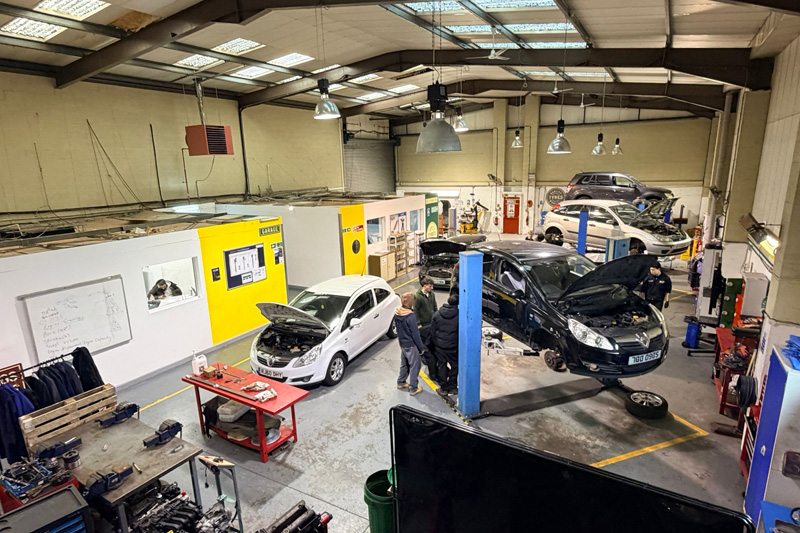
Recently, PMF spent the afternoon with North London Garages Group Training Association (North London Garages GTA) Chief Executive, Colin Denton. A former motor vehicle apprentice, he knows first-hand the rewards that hard work and dedication can unlock. He concedes that hitting those ambitions is getting harder, but, undeterred, North London Garages GTA is ramping up its new youth-program projects in an attempt to strengthen and tighten the community.
North London Garages GTA has provided training for people wanting to work as mechanics for over half a century. It has seen more than 3,000 apprentices qualify.
An Investors in People company and an approved assessment centre for the Institute of the Motor Industry (IMI) and City & Guilds, North London Garages GTA delivers a range apprenticeships, life skills and upskilling programmes.
Q. Colin, how does your school life influence your work today?
A. It taught me the importance of hands-on learning. I try to replicate that with our apprenticeships and youth programs. It’s not just academic; we give young people practical skills that can be transformative.
Q. Tell us about the program you run with ex-offenders.
A. We deliver a hard-hitting program with ex-gang members who’ve served custodial time. They speak honestly about the consequences of crime, and we show them how to avoid falling into that life. It’s incredibly impactful. It’s both protective and motivational; it shows kids the right path and warns of the dangers if they stray.

Q .What challenges do these young people face?
A. Many come from high-risk environments. We’ve had young people involved in street life who eventually reach a breaking point – they see the danger and want out. Interventions are about support, not judgement. Sometimes they relapse, but the goal is to give them tools and guidance so they can succeed despite the pressures around them.
Q. Can you recall a success story?
A. A 17-year-old moved from York to London, living with his brother who then pushed him out. We coordinated with social services, put money in his account for travel and food, and got him into a halfway house. Within months, he completed an apprenticeship and passed his exams. Years later, he wrote to thank us and is now working abroad. That’s why we do this.
Q. How do you engage younger children before they reach risk age?
A. We know by age nine or 10, some kids have already been groomed into gangs – we start interventions as early as five. Early engagement, mentorship and alternative opportunities are key to keeping them off the streets.
Q. You recently visited the Old Bailey – what was that experience like?
A. Eye-opening. We observed cases involving young people aged 12 to 24, including knife crimes and murders. Seeing victims’ families and defendants firsthand was harrowing. It reinforced the urgency: programs need to start earlier and be more accessible.
Q. What about the challenges with funding and facilities?
A. Funding is always a challenge. Rent increases in London are steep, and councils often lack awareness. We rely on private partnerships and creative solutions, like repurposing closed schools, to provide spaces for training.
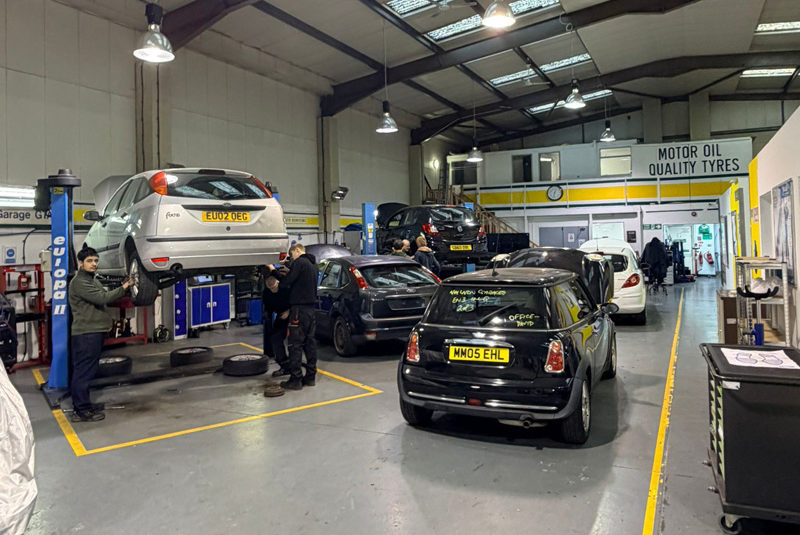
Q. How do you see vocational training shaping the future of London’s youth?
A. By giving children practical skills, mentorship and safe spaces, we can prevent them from entering gangs or street life. Vocational education isn’t just about jobs – it’s about protecting communities and providing a pathway for young people to thrive.
Q. What’s next for North London Garages GTA?
A. We want to create a Hybrid Quadrant Training Hub, a multi-provider vocational centre for school-aged children and post-16 apprentices. It will offer automotive, e-mobility, construction, catering, hospitality and music courses. We want to make training engaging, practical and available to the youth most at risk.
For example, they can repair bikes, e-bikes and scooters, which are then returned to the community. It’s hands-on training plus social contribution. Some participants may pursue apprenticeships in mobility or automotive sectors afterward.
The goal is to scale the Hybrid Quadrant Training Hub across London, giving every young person a chance to succeed.