

The key trends shaping the automotive industry
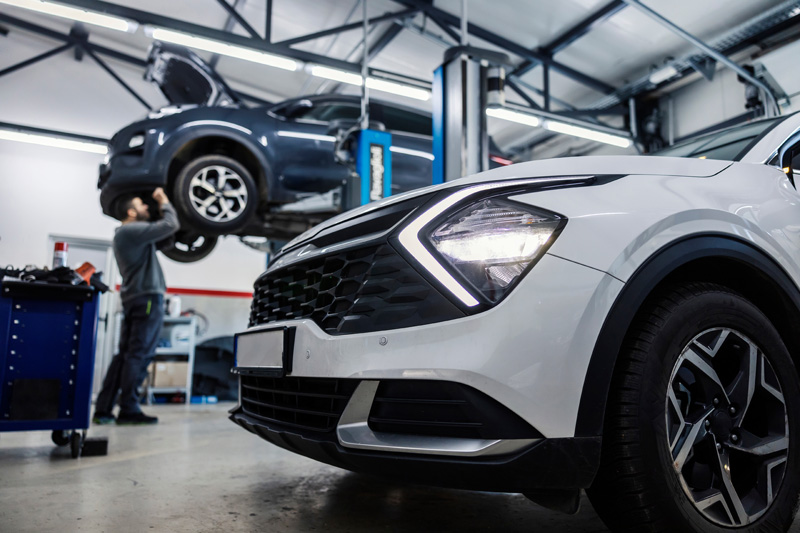
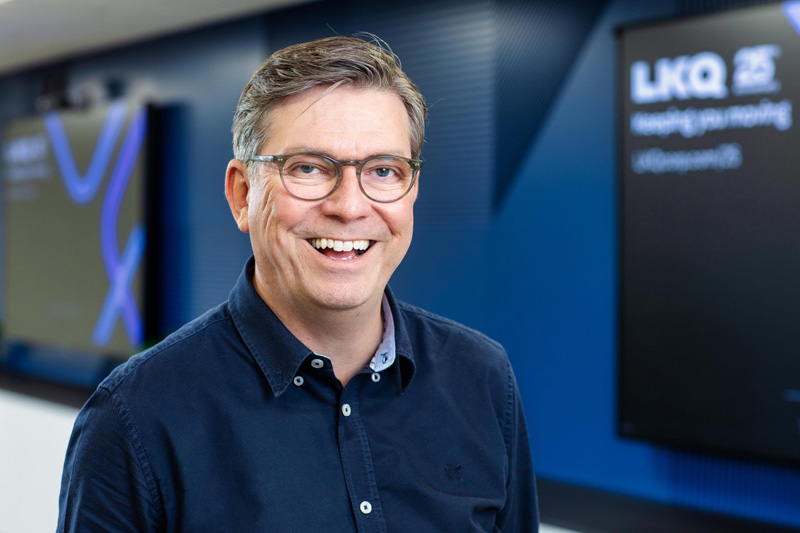
LKQ UK and Ireland Chief Executive, Kevan Wooden, outlines the key trends he and the national distributor expect to shape the trade in 2026. The emotive 2030 ICE ban, the growth of Chinese car brands and greater urgency to tackle skills challenges are set to be “defining themes”.
As the aftermarket continues to adapt to evolving market conditions and rapid technological change, LKQ’s chief sees opportunities for the independent workshops that prepare for the shifting landscape.
In a wide-ranging statement, Kevan began by addressing the “fresh debate” on the ICE ban, which, he believes, will make long-term planning more complex. He expects the renewed political debate around the EU’s ICE ban – and the impact it will have on the UK’s own targets – to extend the aftermarket’s servicing of mixed fleets.
Kevan said: “The UK extending its zero emission deadlines would be welcome news for workshops. But we need to recognise that the issue is not going away given the mix of EVs in new sales. Whatever happens in Westminster or Brussels, the long-term shift toward electrification remains clear, but we have to arm ourselves as an aftermarket to service a mixed fleet over the near term.
“As an independent operator, fair access is non-negotiable. Whether the fleet is petrol, diesel, hybrid or electric, workshops must be able to compete on a level playing field with full access to repair data, high-voltage training and OE-quality parts. That’s essential for keeping motorists mobile and safeguarding consumer choice, and it’s what we’ll remain committed to fighting for in 2026 on behalf of the industry.”
Kevan revealed that this is why LKQ has invested in initiatives, like LKQ Electriq, giving workshops access to specialist EV repair capability – without the need for upfront capital investment – and why LKQ Academy is expanding its EV and hybrid training.
Workshops will see “greater demand” for servicing Chinese brands
Kevan also predicts that the rapid expansion of Chinese brands in the UK car parc will be a major influence on how workshops plan for 2026. According to the Society of Motor Manufacturers and Traders, 10 popular Chinese brands accounted for 111,607 total registrations across 2025.
This makes up more than 5% of the 2.02 million new vehicles registered across the UK last year. Furthermore, BYD has become one of the most popular brands in the UK, capturing 2.54% of new registrations.
He said: “Chinese vehicles represent a growing segment of the UK car parc. While volumes remain modest compared to established European and Asian manufacturers, early vehicles from 2021 and 2022 are beginning to enter the aftermarket, with more set to join them throughout the rest of the decade as more vehicles age out of warranty coverage.
“To meet this demand, workshops will need access to parts coverage and technical support to service them effectively. With Chinese OEM dealer networks remaining less established in the UK compared to traditional European and Asian manufacturers, this creates a significant opportunity for the independent sector.
“Many of these vehicles come with extended warranties of up to seven years, which gives the industry time to prepare. But the workshops that invest now in building their technical knowledge and parts capability will be the ones best placed to capitalise as these vehicles increasingly enter independent workshops.”
LKQ Euro Car Parts is working to create parts coverage, while expanding technical support for these vehicles through LKQ Academy.
Greater urgency to tackle skills gaps
Moving on, Kevan emphasised LKQ UK and Ireland’s commitment to bridging the well-publicised skills gap, stating that the breadth of knowledge wanted by technicians has “never been greater”.
He continued: “Workshops need staff who can work on everything from a 15-year-old diesel van to a four-year-old Chinese electric SUV – often in the same day. Without developing adequate skills, the risk is that work gets pushed to dealer networks or larger chains, when independents are best placed to deliver value and service to motorists.
“We’re committed to upskilling technicians through LKQ Academy – which delivered almost 15,000 training sessions last year – and supporting the modernisation of independent garages through networks, like 1TEC Auto Hub. And we’ll continue to expand that provision in 2026. But the scale of change means this must be an industry-wide effort if independents are to remain competitive and capture the opportunities ahead.”
Workshops will see “further demand” for affordability
Kevan also highlighted affordability as key for workshops and their customers in 2026, citing how innovation and collaboration will be key in creating new solutions and service opportunities.
He concluded: “Affordability will remain a priority in 2026, with many motorists continuing to face budget pressures. Independent garages need practical solutions to deliver value as the vehicle parc becomes more complex.
“Our newly launched joint venture, LKQ Electriq, is a good example. We’ve partnered with EV repair specialists, Cedar Electric, to create a service that allows garages to outsource complex battery and high-voltage component repairs. This means workshops can offer EV repair to their customers without the significant upfront investment in specialist equipment.
“By taking a repair-first approach rather than replacement, we’re helping garages save their customers thousands of pounds while keeping work in the independent sector.”