


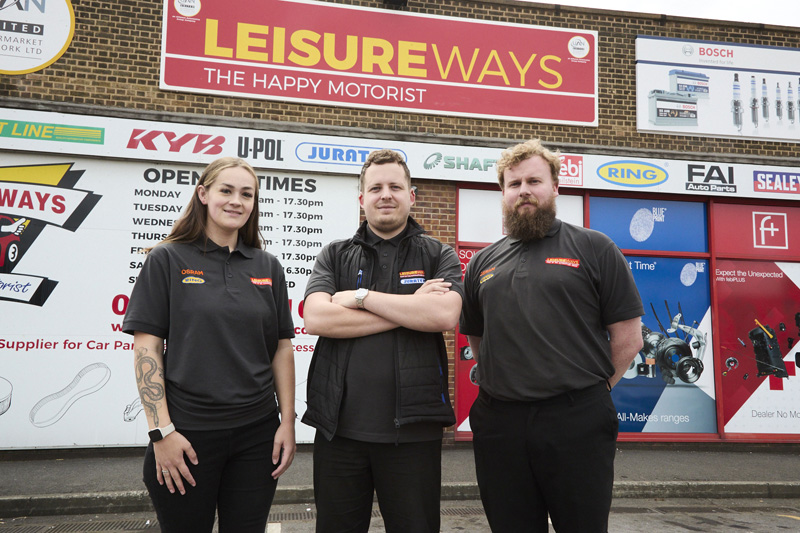
The role of a modern motor factor has evolved significantly over the past decade, according to Leisureways Branch Manager, Tom Clarke. While availability, delivery and technical expertise remain central to the trade, Tom believes many factors are recognising the value of retail-focused product categories in supporting overall branch performance.
At Leisureways, leisure and retail products play an important role in boosting sales and improving customer engagement both in-branch and online. As margins continue to tighten across many traditional service parts categories, additional product lines are becoming key to helping factors generate additional revenue opportunities and maximise branch spend. The strongest performing retail categories are often linked to convenience, seasonal maintenance, and vehicle appearance.
What’s popular?
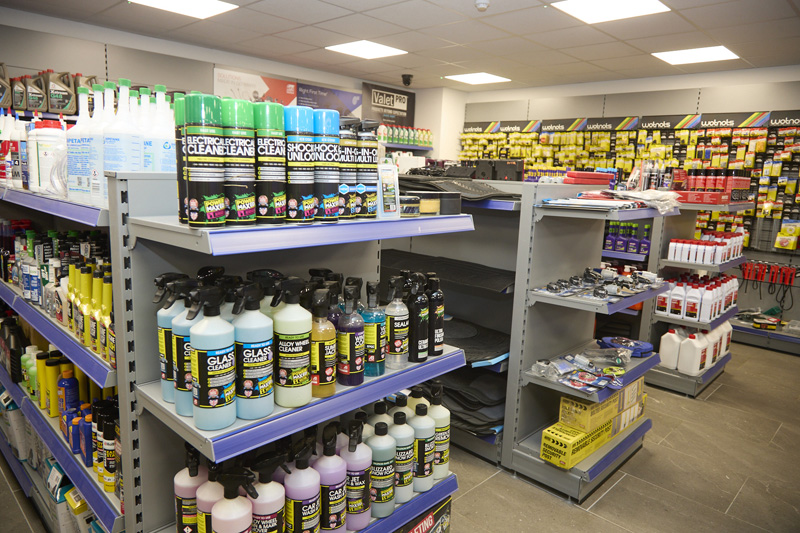
Car care products, additives, bulbs, wiper blades, and accessories gain the most traction in-store. These products often appeal to both workshops and motorists alike, especially when linked naturally to routine servicing or seasonal vehicle maintenance. Smaller convenience-led items can also encourage impulse purchases, helping increase customer basket spends.
Branch layout
Visibility and placement play a significant role in driving additional purchases, particularly within busy branch environments where customers are often collecting parts quickly and looking to minimise downtime. At Leisureways, high-demand consumables and convenience-led items are positioned in visible areas around the branch to encourage additional purchases and improve customer awareness. Seasonal promotions and supplier-led offers also play a key role in increasing purchases, particularly during peak servicing periods and holiday travel seasons.
Buying habits have changed
Workshops collecting parts will often purchase additional maintenance items at the same time, especially when products are clearly displayed and relevant to the repair being carried out. At the same time, motorists expect quick, practical solutions and competitive pricing, influenced by online retail and next-day delivery expectations.
Retail categories can often be influenced by changing vehicle technology and customer lifestyles. There has been a growing interest in products connected to mobile technology, convenience, and EV ownership; however, while EV-related products continue to attract attention across the industry, demand within many branches remains relatively gradual compared to traditional maintenance and consumable lines, which still dominate the majority of sales. For motor factors, balancing these categories with traditional retail staples will become significant moving forward.
Conclusion
The modern motor factor is no longer a collection point for parts. With the access of many online retailers, technicians, and motorists look to motor factors for expert advice, product guidance, and after-sales support. Although we have introduced an online order portal, staff knowledge and customer support will remain essential to supporting workshops and maximising retail and leisure categories.
As customer expectations continue to evolve, leisure and retail categories are likely to remain a valuable part of modern motor factor offerings. While core service parts will always remain the foundation of our industry, products that improve convenience and encourage impulse purchasing offer opportunities for businesses looking to increase sales and support long-term business performance.