
The filtration opportunities in EVs
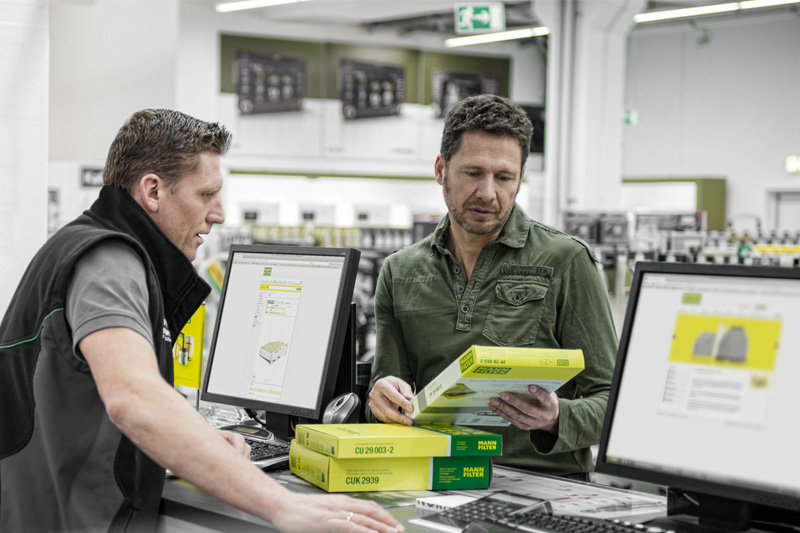
While battery electric vehicles remove the need for traditional engine oil and fuel filters, they do not remove the need for filtration altogether. Instead, they are shifting into new areas, creating fresh opportunities for workshops, motor factors and suppliers alike that are ready to adapt quickly, as MANN-HUMMEL Product and Marketing Manager – Aftermarket, Gary Winslow, explains:
One of the clearest trends is the growing importance of cabin air filtration. EV drivers are often aware of comfort, in-car air quality and refinement. In a vehicle where powertrain noise is reduced, the overall cabin experience becomes more noticeable, and so does the performance of the heating, ventilation and air conditioning system. A quality cabin air filter helps protect occupants from dust, pollen and fine airborne particles, while supporting consistent airflow and effective climate control all year round.
This matters in the UK, where many vehicles operate in congested urban environments and where customer expectations around comfort and wellbeing continue to rise. For the independent aftermarket, cabin air filtration is no longer just a seasonal or secondary service item – it is becoming a more visible part of the value that workshops can offer, particularly as they look to retain EV drivers who may otherwise believe their vehicles require less routine maintenance.
Pay close attention to thermal management and non-exhaust emissions
BEVs depend on tightly controlled cooling systems to support battery efficiency, durability and charging performance. As EVs age and mileages increase, the aftermarket is likely to see greater focus on components and service practices that help maintain system cleanliness and long-term reliability. That may not yet resemble the familiar service pattern of ICE vehicles, but it clearly points to a more specialised future.
Regenerative braking can reduce brake wear, but EVs are often heavier vehicles, which means tyres, particulates and overall vehicle efficiency are becoming important topics. As attention shifts beyond the tailpipe, filtration and separation technologies will continue to support cleaner mobility in broader ways.
The message is practical
Service opportunities are changing, not disappearing. Success will depend on understanding new maintenance needs, stocking the right categories and giving technicians and customers clear guidance on where filtration still matters. Trusted suppliers, including brands such as MANN-FILTER, have an important role to play here by delivering reliable fit, consistent quality and strong vehicle parc coverage without overcomplicating the message.
Looking ahead
The aftermarket is unlikely to experience one dramatic switch from old filtration to new filtration. Instead, it will see a gradual rebalancing: less dependence on engine-related service items, and greater emphasis on cabin air quality, thermal system protection and application-specific performance.
EVs do not signal the end of filtration in the aftermarket; they mark the beginning of a new and more specialised chapter, and one that the trade should already be preparing for now.