


Everything you need to know about clutches
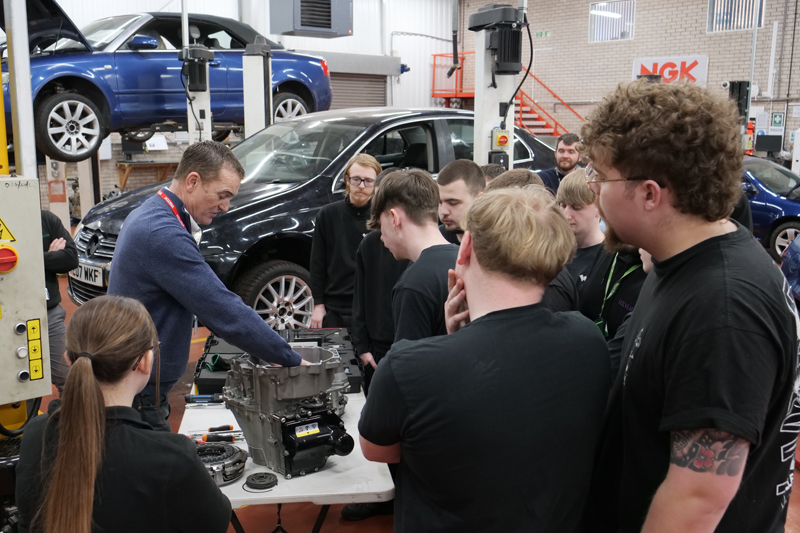
Schaeffler Vehicle Lifetime Solutions’ Alistair Mason takes the hot seat to answer questions about all things clutch! From evolving technology to an ageing car parc, the technical service manager covers all bases.
Q. How is clutch technology evolving for hybrid and high-torque vehicles – and what do factors need to know?
A. Hybridisation and rising engine torque are reshaping clutch design for both original fitment (OE) and the aftermarket. As VMs push for smoother power delivery and improved efficiency, clutches must manage higher torque loads, more frequent start/stop cycles and integration with electric drive systems.
Schaeffler’s range of LuK clutches now feature enhanced and environmentally friendly friction materials, revised damper systems and thermal-management improvements to cope with the harsher duty cycles of hybrid powertrains. Torque capacity is up too, but so is the need for precision manufacturing: even small deviations can impact NVH (Noise, Vibration and Harshness), durability or e-motor engagement.
In hybrid vehicles, the clutch still plays a critical role in overall drivability, so stocking hybrid-capable clutches, DMFs and related components that match the genuine OE design is essential to avoid premature wear or performance complaints.
Q. What are common workshop mistakes with clutch replacement – and how are suppliers reducing them?
A. Common issues include incorrect DMF assessment, which can lead to unnecessary rework later, and misalignment of the gearbox and engine during refitting, which puts stress on the input shaft and clutch – so it’s important to ensure the alignment dowels are in good condition and that the gearbox is mounted in a relaxed manner rather than being pulled into place with bolts.
Other problems arise from not using the correct special tools, especially with self-adjusting clutches (SAC), or from mixing components from different systems, such as fitting a new clutch to a worn DMF or mixing brands, as these parts are engineered to work together. Technicians should also always flush the clutch fluid and refill it with the correct grade to avoid contaminating the new hydraulic seals.
Schaeffler’s approach is to minimise the chance of issues arising by providing an advanced range of technical support, including clear VM fitting instructions, installation videos, step-by-step guides and a range of special tools, such as the LuK SAC tool, which guarantees correct setup. Our highly experienced technical team continuously monitors warranty data and workshop feedback to refine support materials and help factors supply parts that lead to first-time fix confidence.
Q. The economics of clutch repair vs replacement – what do factors need to know?
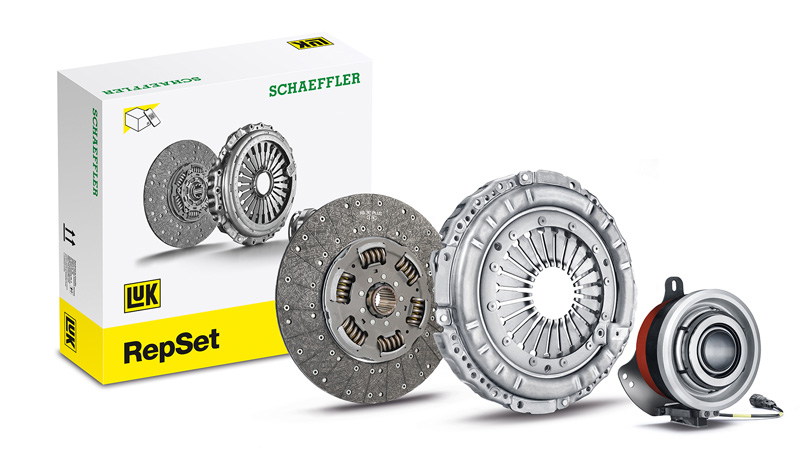
A. Clutch work is one of the most labour-intensive jobs in the workshop, so the economics often favour complete system replacement rather than partial repair. Replacing only the friction plate, for example, can save on parts costs but risks repeat labour if the DMF, CSC or pressure plate fails soon after.
Technicians appreciate the value of genuine OE-quality complete kits, which reduce comebacks and give workshops a predictable cost structure. With modern vehicles, especially those using DMFs and hydraulics, replacing components as a matched set ensures balanced performance and longer service life. For the vehicle owner, the upfront cost is higher, but the long-term savings and warranty certainty typically outweigh the alternative.
Q. How does training and technical support convert factors into clutch experts?
A. Technical knowledge is now a major differentiator for technicians and front counter staff, and with products and systems becoming more complex, those who understand failure modes, fitting tips and system interactions can give workshops real added value.
Schaeffler’s REPXPERT training offer – both online and face-to-face – builds confidence by covering diagnostics, installation methods, tooling and common mistakes. The REPXPERT hotline, technical bulletins and video guides give factors the ability to support their customers in real time. By improving first-time-fix rates and reducing complaints, factors become trusted technical partners rather than just parts suppliers.