
Aftermarket support during uncertainty
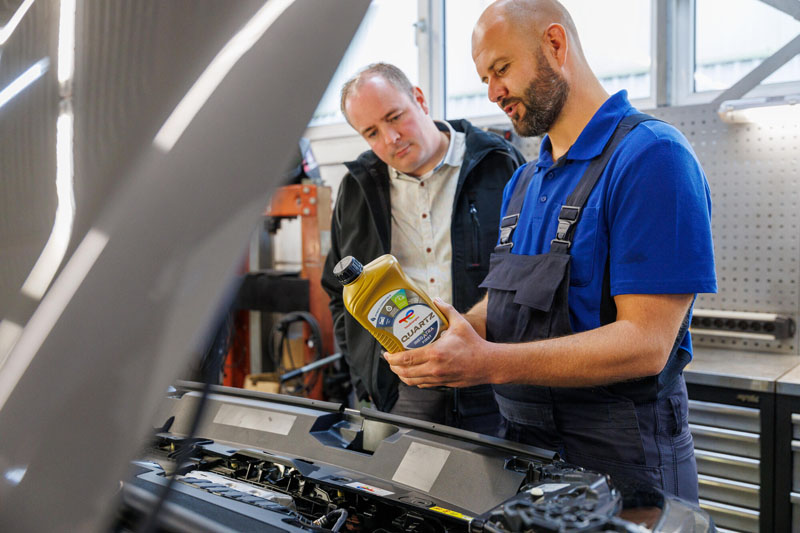
As economic pressures, fluctuating fuel costs and ongoing supply chain challenges continue to impact the automotive aftermarket, factors are increasingly looking for certainty from their suppliers, according to TotalEnergies Marketing UK Aftermarket Sales Manager, David Valentyne. PMF sat down with him to discuss how the company is supporting customers.
Q. With many factors and workshops facing cost pressures, what support can lubricant suppliers offer beyond competitive pricing?
A. Price will always be an important consideration, particularly when businesses are feeling pressure from rising operating costs; however, customers need more than a competitive price point. They need confidence that products will be available when they need them, consistent product quality, and access to reliable technical support.
At TotalEnergies, our focus is on being a dependable long-term partner. That means helping customers make informed decisions, providing expertise when needed, and ensuring continuity of supply so they can continue serving their own customers without disruption.
Q. How is TotalEnergies helping customers manage supply chain uncertainty and product availability concerns?
A. Reliability of supply has become one of the key concerns across the aftermarket. Customers need confidence that their lubricant supplier can continue delivering even during periods of disruption.
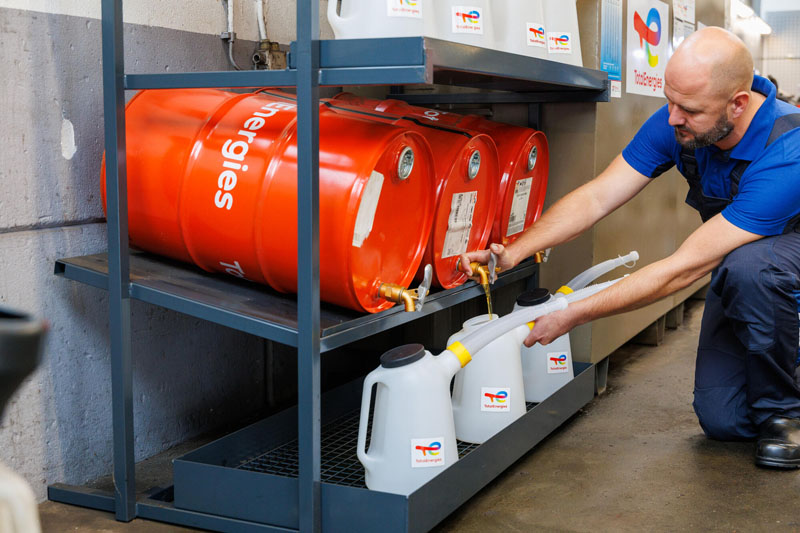
One of our strengths is that we have our own blending plant in Ferrybridge, giving us greater control over production, quality and supply continuity.
Q. What advice would you give factors looking to manage stock effectively during uncertain market conditions?
A. Good supply chain management comes from planning ahead rather than reacting to events.
We work closely with customers to help forecast demand accurately and ensure the right products are available at the right time. This creates a lean and efficient supply chain while maintaining security of supply.
By focusing on realistic forecasting and collaborative planning, businesses can reduce excess inventory, minimise waste, and avoid unnecessary operational disruption.
Q. Some businesses may be tempted to switch to lower-cost lubricants – are there risks with that approach?
A. During periods of economic uncertainty, it is understandable that businesses revisit costs. However, lubricants represent a relatively small proportion of overall operating costs while playing a critical role in protecting vehicles and equipment.
Short-term savings can sometimes create much larger long-term costs. Equipment failures, customer dissatisfaction, increased maintenance requirements, and lost productivity can have lasting consequences.
The conversation should, therefore, focus on total cost of ownership rather than simply the purchase price of a lubricant. Market challenges are temporary, but the impact of poor performance or reliability issues leaves lasting impacts which are often more costly to correct.
Q. Why is it important to use OEM-approved lubricants?
A. Modern vehicles are increasingly sophisticated and are designed around very specific lubricant requirements. Using the correct OEM-approved lubricant helps support performance, efficiency, reliability, and warranty protection.
While a cheaper alternative may appear attractive initially, it may not deliver the same level of protection or compliance. Customers should view lubricants as an investment in asset protection rather than simply a commodity purchase. The cheapest option is not always the most economical when viewed across the lifetime of the asset.
Selecting the approved product helps workshop customers achieve the best long-term outcomes and provides confidence that vehicles are being maintained to manufacturer specifications.
Q. How can factors reduce complexity while still meeting the needs of a growing and increasingly diverse vehicle parc?
A. Many businesses carry significantly more lubricant stock references than they actually need. This can create inefficiencies and risk product misapplication.
We support customers through lubricant rationalisation programmes by reviewing product portfolios and helping businesses to simplify their range while maintaining OEM approvals and performance requirements.
The new Stellantis and TotalEnergies product upgrade programme is a good example of this approach. It allows customers to consolidate products, reduce inventory complexity, and streamline stock management without compromising on quality or vehicle coverage.
Q. What ultimately builds trust between a lubricant supplier and its customers?
A. Trust is built over time through consistent delivery, reliable supply, technical expertise, and honest advice.
During challenging periods, customers remember the suppliers who continue to support them and help them make informed decisions. Businesses increasingly want a partner rather than simply a supplier.
At TotalEnergies, our objective is to work with customers for the long term, helping them navigate immediate challenges while putting strategies in place that benefit their businesses both now and in the future.