


Why do turbos get the blame for other faults?
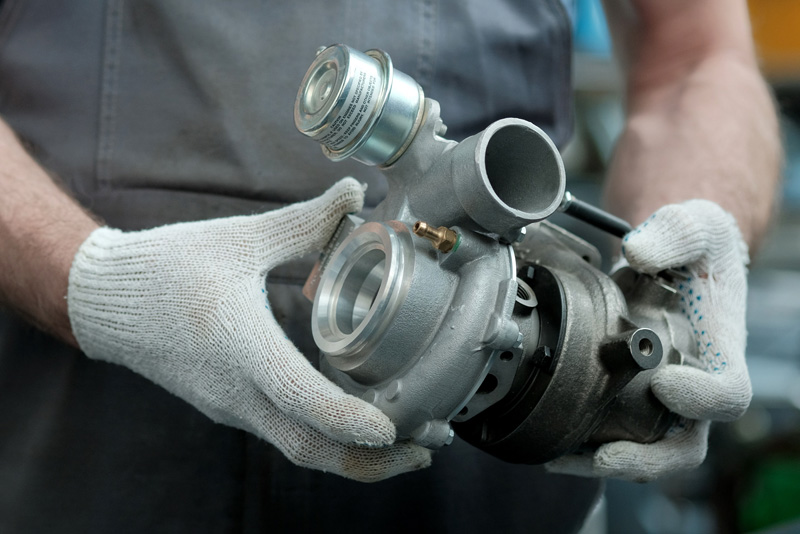
When a vehicle loses power, smokes, whines, triggers a warning light or is put into limp home mode, the turbo is often the first suspect, believes Carwood. The component, however, is usually not to be blame – it is probably an issue that is either imitating a turbo failure or the root cause of one – so why the bad press?
The turbo remanufacturer notes that most turbo-related failures originate in either the engine or one of its supporting systems – but where? And how can you help guide the conversation to find out the exact cause, avoiding unnecessary replacement, returns and repeat failures.
Why the turbo usually get the blame
Today’s modern turbocharger doesn’t work in isolation; it’s tightly integrated with several other vehicle systems – engine, exhaust, intake, air management, fuel, oil and cooling – all of which are closely managed by the ECU. A fault in any one of these areas can mimic symptoms that look, feel and sound like a turbo failure – even when the turbo itself is performing at is should.
What a genuine turbo failure usually looks like
According to Carwood, a genuine turbo failure typically presents with consistent and difficult-to-ignore symptoms. Common indicators include an EML warning or fault codes linked to issues, such as a faulty actuator, a ruptured diaphragm, a locked nozzle ring or excessive current draw from the unit.
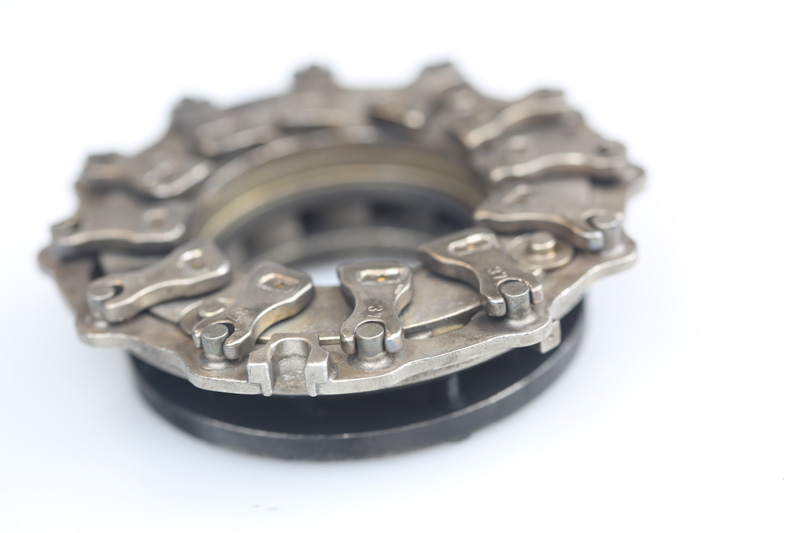
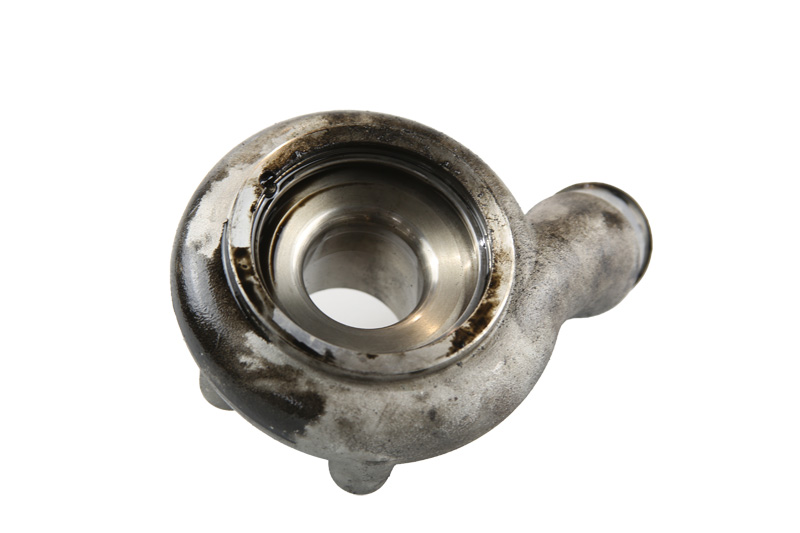
Persistent high or low boost caused by incorrect flow settings may also be evident. Other signs include oil pooling in the intake, intercooler or compressor housing, and blue smoke from the exhaust, both of which are usually the result of leaks. Material failures, such as a burst compressor wheel or a snapped shaft, are further indicators, along with abnormal noise caused by exhaust gas leaks between the bearing and turbine housing, or at the joint between the turbo and the manifold or engine. Similar noises can also result from a poorly balanced CHRA or the reuse of components that fall outside acceptable tolerances.
While further investigation is often required to confirm the exact cause, where the turbocharger itself is identified as the source of failure, replacement is unavoidable. In these cases, attention should also be given to associated components, such as oil feed pipes, gaskets, oil and filters, which play a critical role in protecting the longevity of the replacement unit.
What it’s likely to be…
These same symptoms can also be mirrored by much simpler faults elsewhere, says Carwood; for example, a lack of power can be caused by worn internal engine components, a blocked air filter, split, loose or restricted hoses or incorrectly adjusted ignition timing. Sensor-related faults are another culprit. When the ECU receives incorrect airflow or pressure data, it may limit power or put the vehicle into limp-home mode to protect the engine.
Similarly, damaged or restricted air pipes into the turbo, from the filter to the turbo or from the turbo to the inlet manifold can result in a noisy turbo – even the smallest split can cause a high-pitched whistle! This is due to air pressure being forced through tiny holes. Exhaust gas leaking from the manifold can also occur.
It is also reported that whilst blue exhaust smoke can indicate turbo failure too, more often than not, it’s one of a handful of other causes:
- A blocked air filter or air pipe
- A restricted oil drainpipe
- A blocked engine breather system
- Oil being forced back through the bearing system, piston rings and turbine housing
- Oil entering the exhaust system, where it is burnt off
Reassuringly for the motorist, most of these require easy fixes – a new filter, a new hose – making it a lot simpler and cost-effective than installing a brand new unit.
How can you help avoid wasted time, money and repeated failures?
Although the symptoms are shared, the causes and outcomes are very different, Carwood notes, which is why accurate diagnosis is not straightforward, and mistakes are all too common.
The challenge for you is when your customer is convinced it’s the turbo, how do you help them understand that not every loss of power, nor every oil leak or puff of smoke, is a turbo failure? And, therefore, not every turbo needs replacing. Because the chances are, it doesn’t!
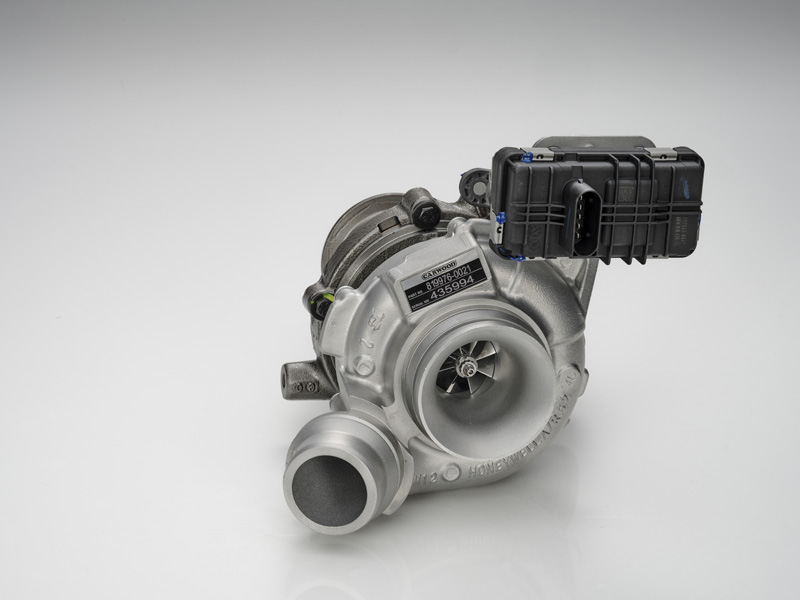
So before supplying a new turbocharger, Carwood encourages these steps:
- Ask your customer some simple questions…
- What’s the cause of failure?
- Are there known issues on this vehicle? Engine breather systems on some BMW engines, for instance.
- Have you physically inspected the turbo?
- Are there any boost control related fault codes?
- What about oil in the intake or intercooler?
Whilst some of these may seem obvious, it will help shift the conversation from assumption to confirmation. If nothing else, it gives your customer an opportunity to pause, rethink, and, in many cases, identify a simpler root cause and less costly fix.
Why this matters?
By helping customers avoid unnecessary replacements in the first place, and with that the potential for a repeat failure, you can reduce both returns and warranty claims, build trust and improve long-term customer loyalty and retention.
In an increasingly competitive and rapidly changing market, where margins are already under pressure, Carwood is confident this will help differentiate you from the competition, position you as a partner – not just a supplier who sold them a part – and futureproof your business. All because you took the time to ask a few relevant, thoughtful, time and money-saving questions whilst your customer was stood at the counter.