


SMMT backs manufacturing to drive green growth
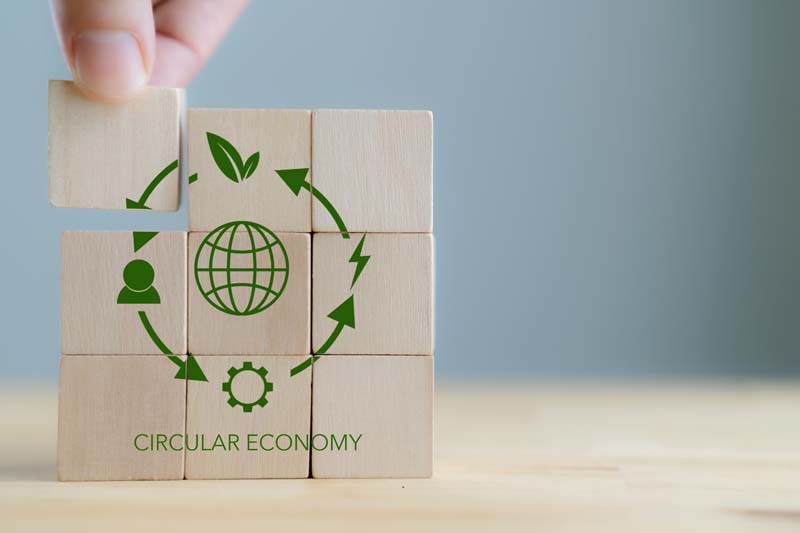
Britain’s automotive remanufacturing sector could play a pivotal role in boosting economic growth and reducing reliance on imported raw materials, according to a new report by the Society of Motor Manufacturers and Traders (SMMT).
By returning high-tech, costly vehicle components to an as new or better condition, the industry could save up to 88% in raw materials compared with producing new parts.
Currently, automotive remanufacturing contributes around £500 million to the UK economy, but the SMMT claimed the sector has the potential to capture a far larger share of a global market expected to grow by more than 50% to £31 billion over the next five years. Such expansion would benefit British remanufacturers – from brakes and batteries to tyres and transmissions – creating jobs while supporting environmental goals.
Reman likely to stay buoyant
Demand for remanufactured parts and the supply of cores is set to remain strong, underpinned by 41.9 million vehicles on UK roads, more than two in five of which are over 10-years-old.
The growing fleet of 1.6 million EVs positions the UK as the second largest in Europe, offering a potential leadership role in battery remanufacturing, according to the SMMT. This could help reduce maintenance costs and, over time, lessen dependence on imported materials essential for domestic vehicle and component production.
The SMMT’s report – Powering Circular Growth: How Automotive Remanufacturing Drives Sustainability and Industrial Opportunity in the UK – stressed that a supportive policy framework is critical to unlock this potential.
Recommendations include revising end-of-life vehicle regulations to encourage remanufacturing, updating trade agreements to ease cross-border movement of cores, and treating remanufacturing cores as raw materials rather than waste under End of Waste regulations.
Such measures would standardise the production, distribution and the use of remanufactured products while highlighting the sector’s capacity to drive growth, particularly among independent and specialist remanufacturers. The framework would also strengthen the UK’s trade position and encourage investment in facilities, jobs, and training.
Reman “must be central to circular economy strategy”
SMMT Chief Executive, Mike Hawes, said: “Backing remanufacturing will be a boon for the UK – it drives job creation, fuels economic growth and slashes carbon and waste.
“To realise its full potential, remanufacturing and the independent remanufacturing sector must be central to the UK’s circular economy strategy. With the right regulatory support, this sector can thrive. The UK already boasts one of the world’s most diverse automotive manufacturing industries, and invigorating our remanufacturing capability will strengthen our sustainability credentials and sharpen our global competitive edge.”