
Investigating the fall of winter demand

Winter marks peak rotating electrics season – but is seasonality becoming a thing of the past? Autoelectro investigates.
Freezing temperatures, snow flurries, tricky driving conditions and pressure on components under the bonnet traditionally mark peak season for Autoelectro – but that winter surge is becoming less noticeable with demand now consistently high throughout the year.
Traditionally, January is Autoelectro’s busiest month of the year. Cold starts make engine oil more viscous, increased use of headlights, heated seats and wiper blades put strain on the alternator, batteries operating below optimal condition can deliver insufficient power to the starter motor, and the incorrect use of jump starters are all contributing factors to unwelcome failures for motorists.
However, with charging systems becoming increasingly complex and integrating intelligent drive systems – adaptive cruise control, lane departure warning, blindspot assist and automated parking – and those functions being used throughout the year and putting continuous load on the charging system, Autoelectro has observed accelerating wear and failure rates. This explains the movement away from the traditional seasonality towards the consistent year-round enquiries and demand the remanufacturer is seeing.

The rise of the 48V MHEV technology
This shift in electrical demand has driven the rapid adoption of 48V mild-hybrid (MHEV) charging systems. These incorporate a new generation of starter motors and alternators, which are advanced but sensitive and tightly integrated within electrical systems and software.
A belted starter generator (BSG), for example, is an electric motor-generator unit that integrates aspects of traditional starter motors and alternators, particularly in vehicles fitted with 48V MHEV charging systems. It is a single belt-driven unit mounted to the engine that can both start the engine, generate electrical power, bolster fuel effiency and reduce emissions. The Ford Puma (AEG9034) and Land Rover Defender (AEG9028) are two popular examples.
Industry analysis indicates that MHEVs now account for a significant proportion of new hybrid vehicle registrations, with the majority of modern MHEV applications utilising 48V charging systems. Based on registration trends over recent years, it is reasonable to estimate that this trend will continue, as vehicle manufacturers increasingly adopt this technology. The automotive aftermarket will absorb this demand.
Best practice tips
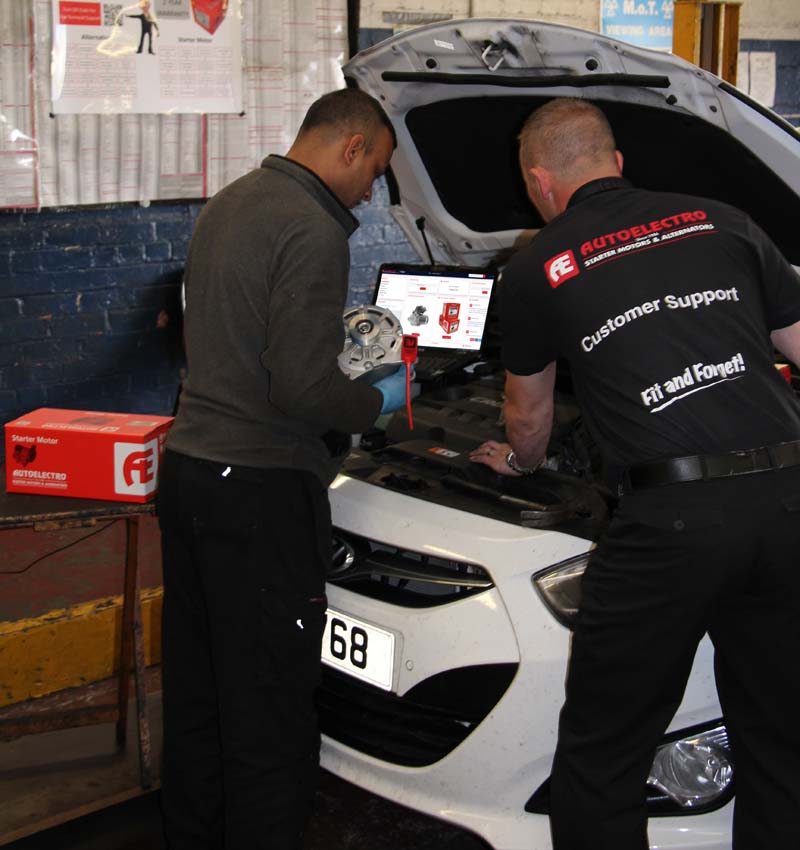
While seasonality is less of a craze than it once was, Autoelectro believes best practice and preventative maintenance should remain a key focus for technicians – no matter the time of year:
- Inspect the belt for cracks, breaks or damage; a broken belt can slip on the pulley and lead to charging problems
- Check the tensioner is in good condition
- Moisture and condensation from the engine can drip onto the terminals and arc/spark when the terminal is live – leaving potential for heat damage
- Test the battery state-of-charge to ensure it delivers sufficient current in cold conditions
- Assess electrical connections for corrosion, looseness or wear
- Are diagnostics up to date? Many MHEVs rely on software-controlled charging management
- Unusual noises or vibrations from the BSG could indicate early wear or misalignment
- Ensure fuses and relays are intact and free from heat
Autoelectro’s Harnek Bhogal said: “These evolving trends are important to highlight to our customers and the wider automotive aftermarket. Indeed, the cold weather does generate significant demand – but now this is no different than the rest of the year! Thankfully, due to our careful but strategic stock management processes, we are prepared for every eventuality.”